
Game Target Audience: 5 Player Types
 By Hersh Glueck
A game target audience is the group of people your game is made for, defined by age, interests, how they like to play and what they will pay. When people talk about the target audience for games, they usually mean one of five main types of board game and card game players. Knowing which one is yours shapes your play time, art, price and every marketing decision.
Check Out Our Free Resource: Fundamental Marketing Checklist
A short checklist covering the marketing fundamentals.
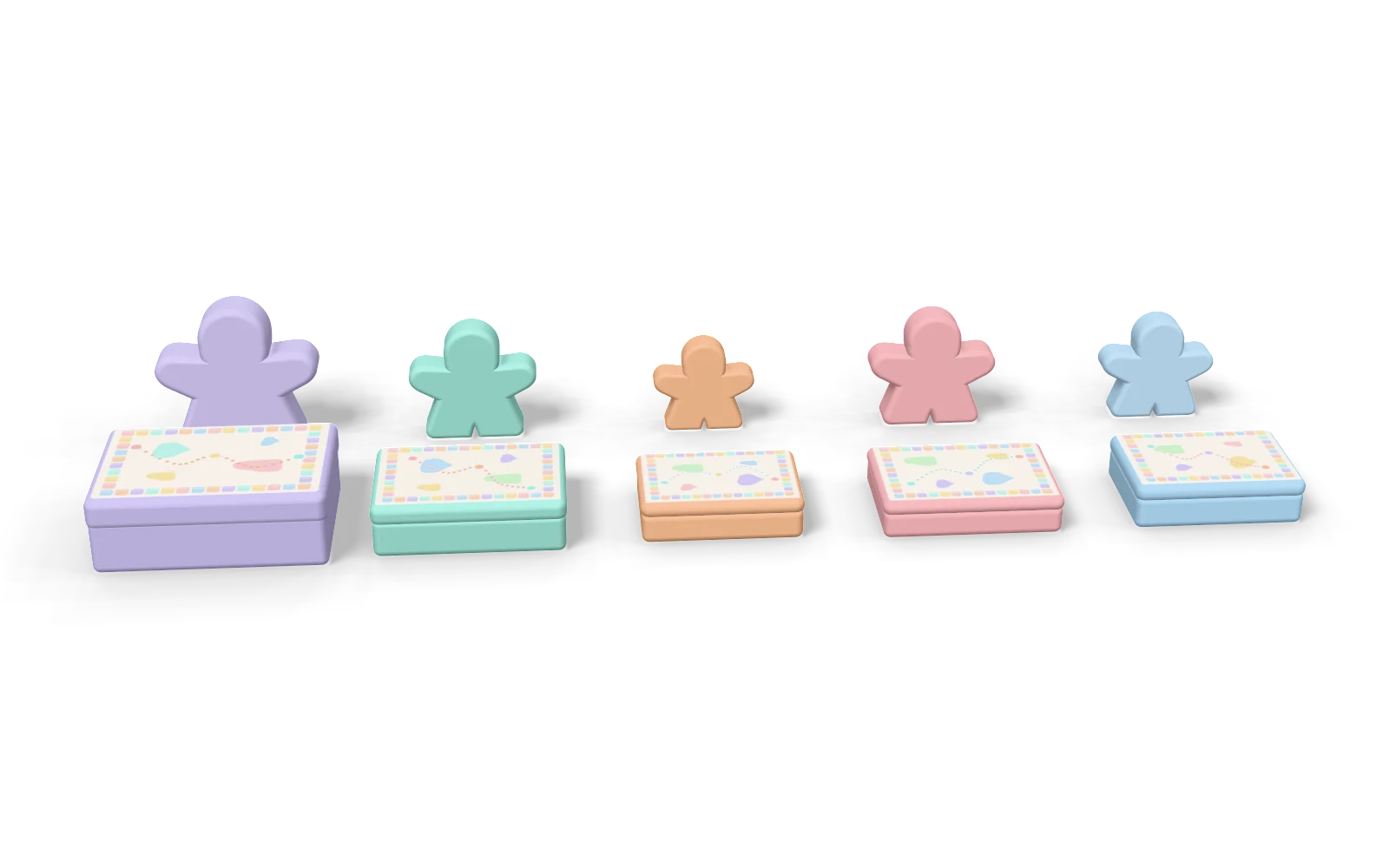
The Five Types of Game Players
After working with more than 300 publishers, we see five main types of board game and card game players. Here is each one, with game target audience examples:
| Player type | Who they are | Play time | Typical price | Example games |
|---|---|---|---|---|
| Heavy board gamers | Experienced hobby players who love strategy, complex rules and lots of interaction | 1-3 hours or more | USD 50-100+ | Twilight Imperium, Terra Mystica, Through the Ages |
| Light board gamers | Casual players who want games that are easy to learn and quick to set up | About 1-2 hours | USD 30-50 | Ticket to Ride, Carcassonne, Catan |
| Families with kids | Parents who want quality time with children, with simple, age-appropriate rules | 15-45 minutes | USD 15-35 | Codenames, Sushi Go, Dixit |
| Adults who want to party | Young adults playing socially with friends; humour over strategy | 15-30 minutes | USD 20-30 | Cards Against Humanity, What Do You Meme?, Joking Hazard |
| Educational gamers | Teachers and parents using games to build skills and knowledge | Varies | Varies | Chess, Scrabble, Monopoly |
The play times and prices are typical ranges, so check them against similar games. These five types are an overview; you can find more nuances within each.
Heavy Board Gamers
Experienced players who enjoy highly strategic games that take a long time to play. They like complex rules, intricate mechanics and a lot of player interaction, and they accept long play times and premium prices.
Light Board Gamers
More casual players who want games that are easy to learn and quick to set up, playable in an hour or two.
Families with Kids
Parents who want to spend quality time with their children. They prefer age-appropriate games with simple rules that play in a short time. Some families also love classics like Monopoly, Chutes and Ladders, Candy Land and Hi Ho! Cherry-O.
Adults Who Want to Party
Usually young adults who play socially with friends, often while hanging out or drinking. They want humour and fun, not deep strategy.
Educational Gamers
Usually teachers or parents who use games to teach a topic, build skills or train critical thinking.
How to Find Your Game Target Market
To find your target market, build a player persona: a short picture of your ideal player. Ask:
- What are their favourite games? If they love Wingspan and Gloomhaven, they accept long, deep games and higher prices. If they love The Resistance or Exploding Kittens, they want quick, social games.
- How long do they want to play? This sets your play time and how much you can explain in the rules.
- What will they pay? Hobby gamers often pay USD 50-100; social gamers USD 20-50. This sets your components and box.
- What art and tone do they expect? Serious and epic, or silly and funny.
Our guide to player personas explains the method in full, and our guide to board game pricing shows typical prices by game type.
Focus on One Board Game Target Audience at a Time
A game can appeal to several audiences, which widens its market. A game that is fun and educational can appeal to families and teachers; a quick, easy game can appeal to casual and heavy gamers who want something fast.
But focus your marketing on one primary audience at a time, so your message stays clear. Speaking directly to one audience’s needs and interests makes your marketing far more likely to work. Once that audience is engaged, you can turn to the next.
Next, read how to market a board game to choose the channels where your audience is.
Frequently Asked Questions
What is a game target audience?
Can you give a game target audience example?
Should my game target more than one audience?
Talk to Our Team About Creating Your Board Game
From design to manufacturing, we can help you with every aspect of turning your game concept into reality.