
Intellectual Property Protection for Board Games & Card Games
Every year, successful board games and card games are copied and cloned by intellectual property thieves. The counterfeits appear online and in international markets, taking revenue from the publisher who actually created the game and handing your customers a worse version of it.
We offer a full range of protections against that — so you can focus onmaking your games instead of worrying about clones and copycats.
How Board Game IP Theft Actually Happens
Your game is valuable. Its unique design is what makes it worth owning. So this is one of the most common questions we're asked, and it deserves a straight answer rather than reassurance.
The most common form of IP theft is internal. A staff member at a manufacturer, trading company or supplier takes your game's design files and sells them to a third party. That third party prints their own version of your game and sells it illicitly — usually online, or in countries where you aren't actively selling and therefore aren't watching.
It's worth being direct about the geography, because it's the reason this page exists: IP theft remains commonplace in China, and almost every known case within the board game industry has involved the illicit sale of artwork by a China-based manufacturer or trading company. As a foreign creator, pursuing that legally after the fact is difficult and slow. The realistic protection is structural — making the theft hard to commit in the first place.
Protection #1 — Our Systems
Your Game Files Pass Through Our “Safety Net”
Most board game manufacturers don't make your game in-house. Your files go out to third-party contractors — one prints the board and rulebook, another makes the dice, another handles packaging. It is extremely common for all of your artwork to be sent toevery contractor. Each additional company holding your complete game is another group of people who could profit from selling it.
Our Safety Net limits that exposure in three specific ways:

1. Private, Tracked File Storage
Your artwork is stored in our secure cloud system, not emailed around. You get a private SharePoint link and can see exactly who has access to your files at every stage — a real chain of custody, not a promise. Email-based file sharing, still standard at most trading companies, gives you neither.

2. Printing Never Leaves Our Factory
Printing your game is never outsourced. It happens in our own factory, so your print files never enter another company's system. Where a non-printed component genuinely needs an outside supplier, that supplier receives only the file for that one part — never your full game. Your most valuable artwork is never shared outside Hero Time.

3. Your Files Are Handled Outside China
The team who receive your files and prepare them for production are based in Malaysia — a jurisdiction with strong rule of law and IP protections comparable to Western countries. None of our sales representatives are located in China. That single structural choice removes the most common exposure point in this industry.
Vertical Integration Is an IP Argument, Not Just a Quality One
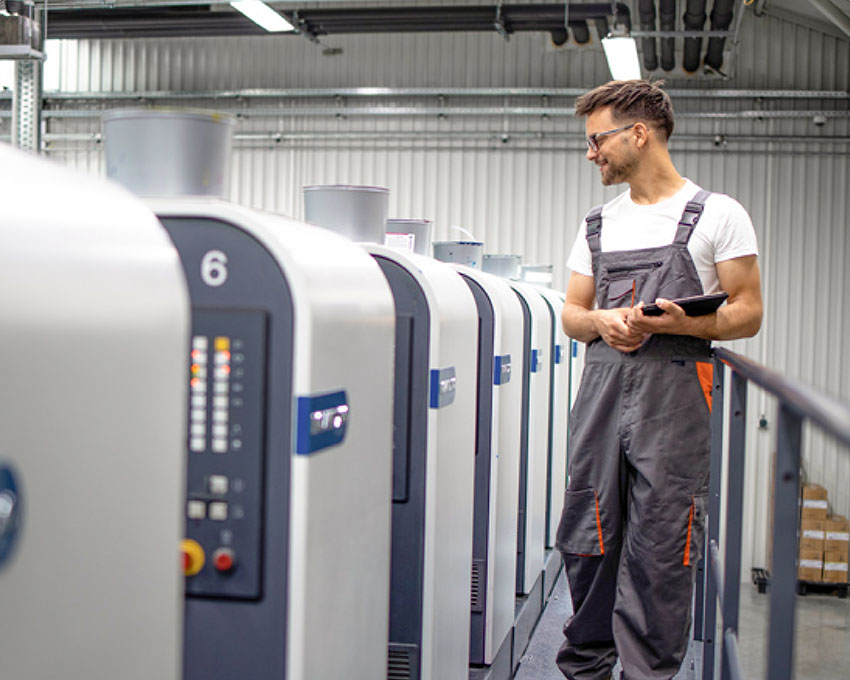
We keep 80%+ of production in-house. That's usually discussed as a quality and lead-time advantage — and it is — but it's also the single biggest reason your files stay contained. Every process we bring in-house is one fewer company holding your artwork, one fewer set of staff with access, and one fewer handoff where a copy can quietly be kept. Outsourcing-heavy manufacturers cannot offer this no matter what they promise, because the exposure is built into how they operate.

We Keep the Same Suppliers — Deliberately
Where we do need an outside supplier, we use a maximum of 2–3 per process and we stay with them, training and investing in them over years rather than re-tendering to whoever is cheapest this quarter. Constantly rotating suppliers to chase price is what spreads your files across dozens of unknown companies. Our suppliers sign Supplier Manufacturing Agreements, and they receive only the file for the specific part they make — never your complete game.
Protection #2 — Legal
We Can Help You Secure Legal Protection Too
Internal systems stop the common case. Legal protection covers you when something still goes wrong — and it's much easier to arrange before production than after a problem.

Design Patents & Copyright
We can help you secure formal legal protection for your game — including a design patent and copyright registration — through our exclusive cooperation with DeWei, one of the largest corporate law firms in China. We can also assist with protections in your other key markets.
NNN Agreements for Manufacturing in China
We'll sign an NDA before you send us anything. For manufacturing specifically, an NNN agreement (Non-Disclosure, Non-Use, Non-Circumvention) is the stronger instrument, because it also stops a factory using your design itself or going around you to your customers — the two things a plain NDA does not cover. Ask your project manager and we'll put one in place.
NNN Agreements
What Is an NNN Agreement?
An NNN agreement is the contract that stops a factory doing anything with your game except making it for you. It makes three promises, one for each N. (The industry term is NNN agreement: Non-Disclosure, Non-Use, Non-Circumvention.)
Non-Disclosure
The factory won't show or share your designs, artwork, rules or files with anyone else.
Non-Use
The factory won't use your design for anything except your own order: no extra copies, no look-alike product of its own.
Non-Circumvention
The factory won't go around you to sell your game, or something like it, directly to your customers, retailers or distributors.
NNN vs NDA: What's the Difference?
An NDA (non-disclosure agreement) covers one thing: secrecy. When you manufacture in China, the bigger risks are a factory using your design itself, or selling around you to your own customers. The Non-Use and Non-Circumvention promises are what cover those, which is why an NNN, not an NDA on its own, is the agreement to have when a Chinese factory makes your game. Because it has to hold up where the factory is, an NNN for a Chinese manufacturer is normally written in Chinese and under Chinese law.
How It Works With Hero Time
We'll sign an NDA before you send us anything, using your own agreement or our template. For manufacturing, ask your project manager and we'll put an NNN agreement in place. Our terms already commit us to the same protection in writing: we never share your files, artwork or technical information with anyone outside our supply chain, your designs and art files remain your property and are handed back on request, and you are free to take your next print run to another manufacturer.
An NNN binds the factory that signs it. To protect your design against everyone else in China, pair it with a Chinese design patent: we file it one month after production, and it is typically registered within eight months.
Track Every Production Step As It Happens
Visibility is part of protection. You monitor your order at every production and fulfillment stage through our ERP system, and you can see who holds your files at any point. Nothing about your game's progress — or its handling — needs to be taken on trust.
For how that visibility works day to day, and the checkpoints your game passes through, see our full quote-to-order process. For how we inspect what comes off the line, seeour quality control standard.